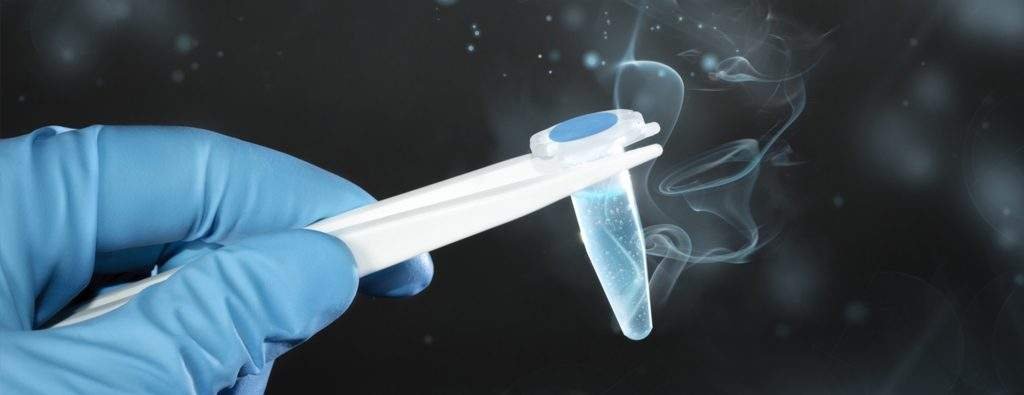
Cryopreservation is a technique used to preserve biological samples, including sperm and eggs, by cooling them to very low temperatures, typically below -130°C, in order to protect them from degradation or damage. Cryopreserved sperm and eggs can be stored for many years and then thawed and used for fertility treatments when needed.
Cryopreservation of sperm is a relatively simple and common procedure that has been used in fertility clinics for several decades. Sperm can be collected and then frozen and stored for later use in in vitro fertilization (IVF) or intracytoplasmic sperm injection (ICSI) procedures.
Cryopreservation of eggs, on the other hand, is a more complex procedure that has become more widespread in recent years. The eggs are first stimulated to mature using hormones, then extracted from the ovaries and frozen using a process called vitrification, which involves rapidly cooling the eggs to prevent ice crystals from forming, which can damage the delicate structures inside the egg. This technique has improved the success rates of egg freezing and thawing, making it a viable option for women who wish to delay pregnancy or preserve their fertility for medical reasons.
Overall, cryopreservation of sperm and eggs has been a significant advancement in reproductive medicine, offering individuals and couples the opportunity to plan their families and preserve their fertility for the future.