
Ovulation Study

Overview
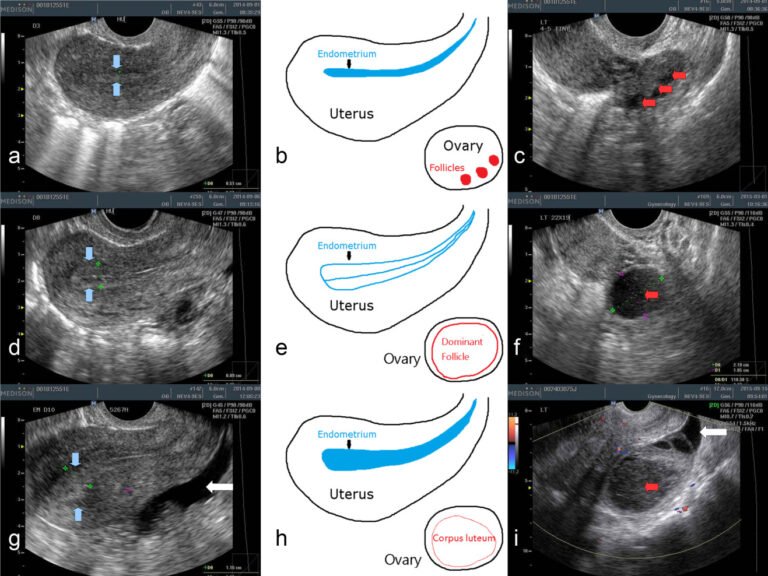
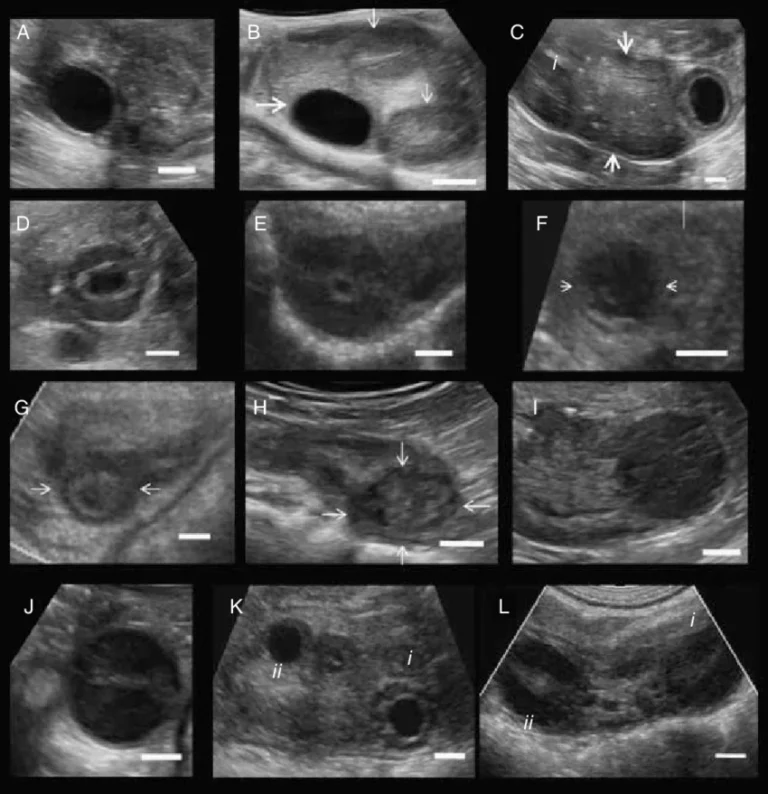
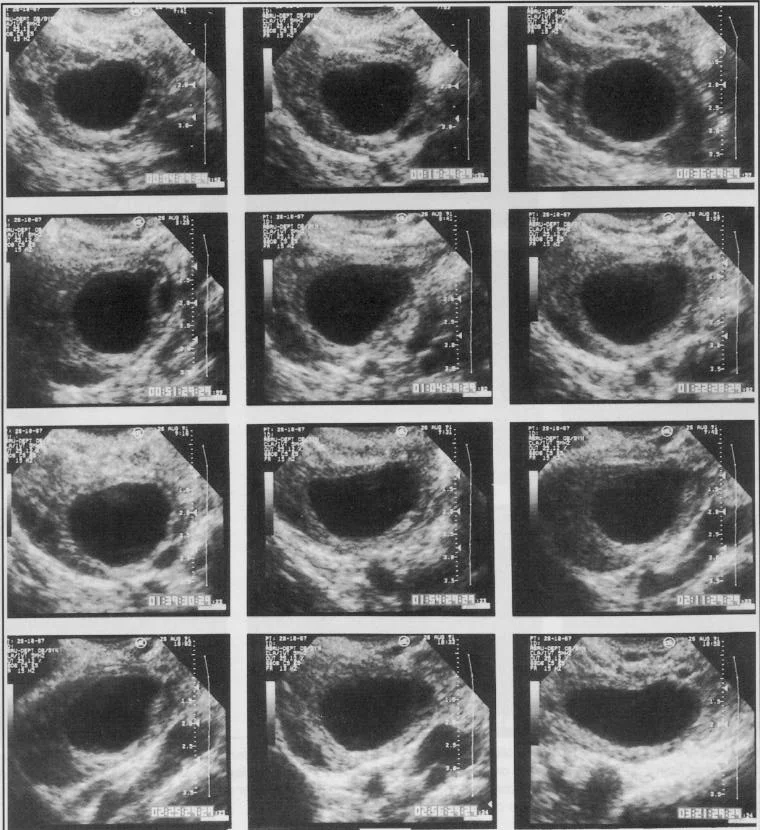
An Ovulation Study, also known as Follicular Monitoring, is a series of ultrasound scans performed during a woman’s menstrual cycle to track the growth and release of ovarian follicles (eggs).
It helps determine:
- Whether ovulation is happening or not
- The exact timing of ovulation
- The thickness of the uterine lining (endometrium)
- The best time to conceive naturally or with treatment
This test is one of the most important tools in fertility evaluation and treatment planning.
Why is Ovulation Study Important?
Ovulation is a crucial step in pregnancy. Without proper ovulation, conception cannot occur.
An ovulation study helps:
- Identify the fertile window
- Diagnose ovulation disorders
- Improve success rates of natural conception, IUI, and IVF
- Monitor response to fertility medications
- Detect conditions like PCOS or irregular ovulation.
Who Should Go for an Ovulation Study?
You may need an ovulation study if:
- You are trying to conceive without success
- You have irregular or absent periods
- You are diagnosed with PCOS
- You are undergoing fertility treatments like IUI or IVF
- You want to accurately time intercourse for pregnancy
How is Ovulation Study Done?
Ovulation study is performed using transvaginal ultrasound (TVS), which provides clear and accurate images of the ovaries and uterus.
Step-by-Step Process:
- Day 2–3 Scan
- Baseline scan to check ovaries and uterus
- Day 9–10 Scan
- Monitoring begins to track follicle growth
- Repeat Scans (every 1–2 days)
- Follicle size is measured
- Endometrial thickness is evaluated
- Ovulation Detection
- A mature follicle (18–24 mm) ruptures
- Indicates egg release
- Post-Ovulation Confirmation
- Fluid in pelvis confirms ovulation
FAQs
What is an ovulation study?
An ovulation study is a series of ultrasound scans that track the growth and release of eggs from the ovaries. It helps identify the most fertile days to increase the chances of pregnancy.
How many times do I need to visit for the test?
Usually, 3 to 5 visits are required during one menstrual cycle, depending on how your follicles grow and when ovulation occurs.
Is ovulation study painful?
No, it is a safe and minimally uncomfortable procedure. It is done through transvaginal ultrasound and usually takes only 10–15 minutes.
When should I start an ovulation study?
It generally starts on Day 2 or Day 3 of your menstrual cycle, and then follow-up scans are done every few days until ovulation is confirmed.
Can ovulation study help me get pregnant faster?
Yes, it helps identify your exact fertile window, allowing proper timing for intercourse or treatments like IUI, which improves your chances of conception.