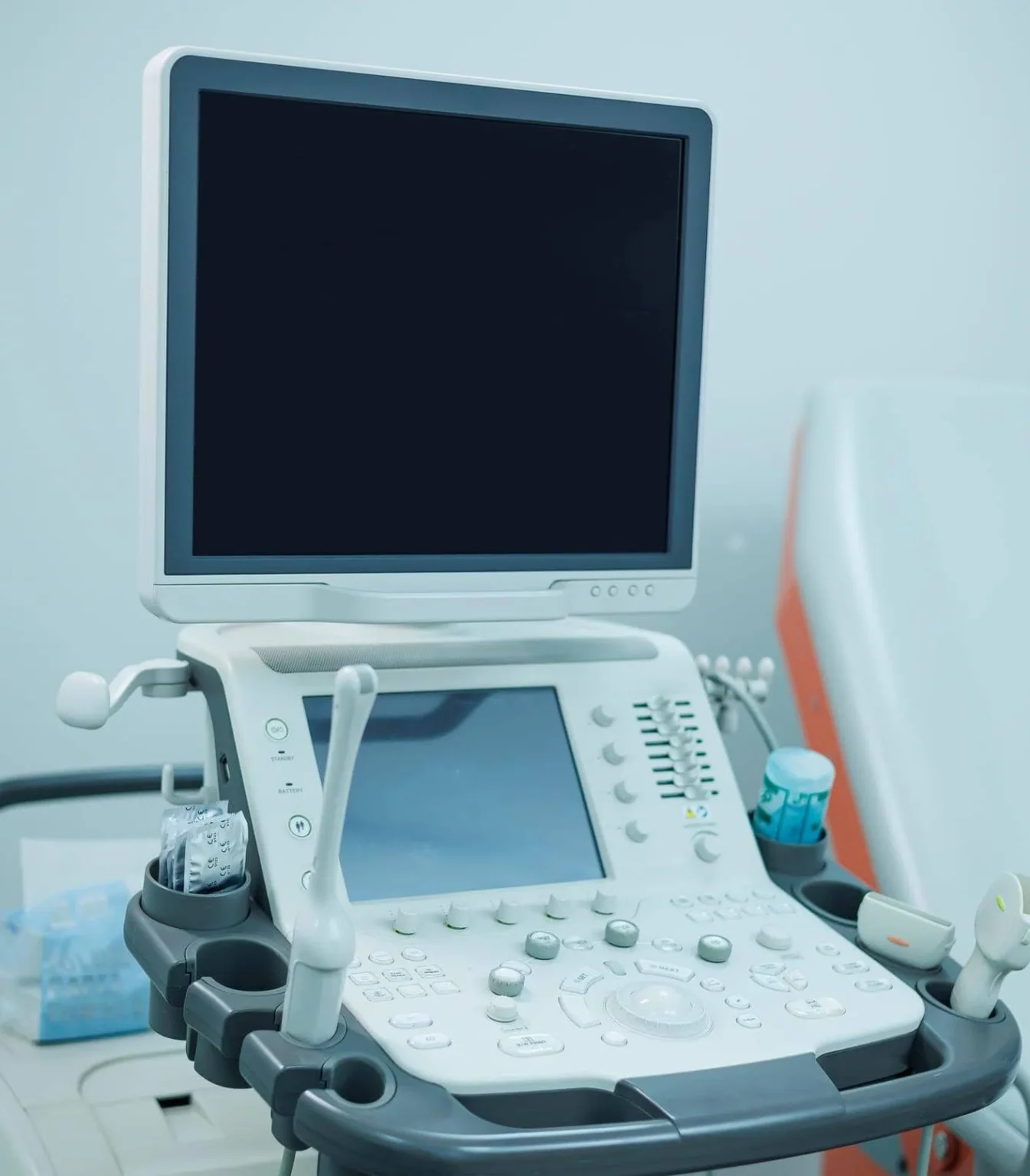
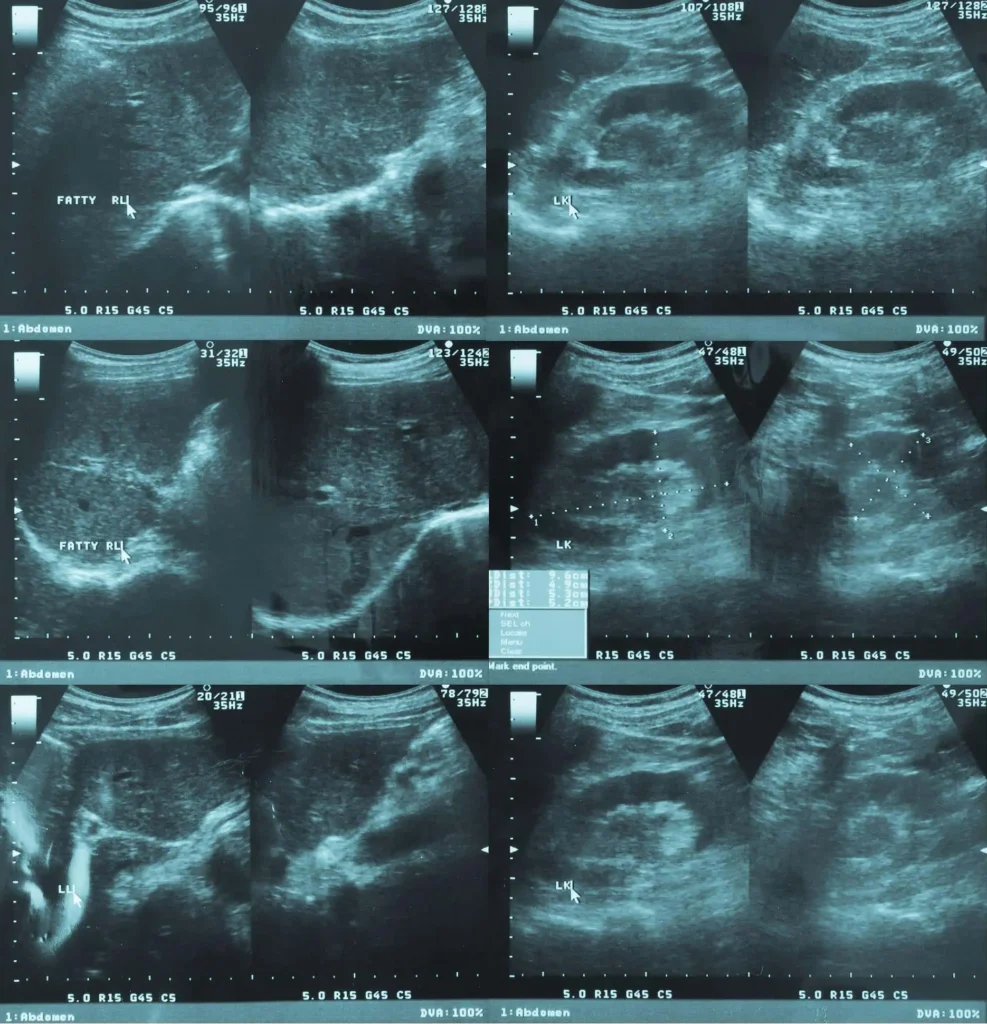
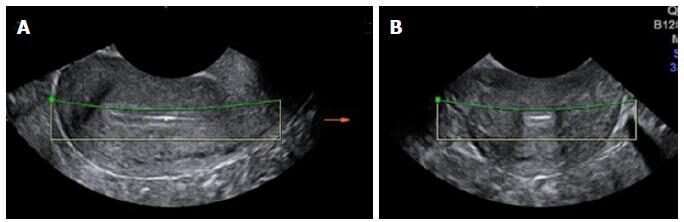
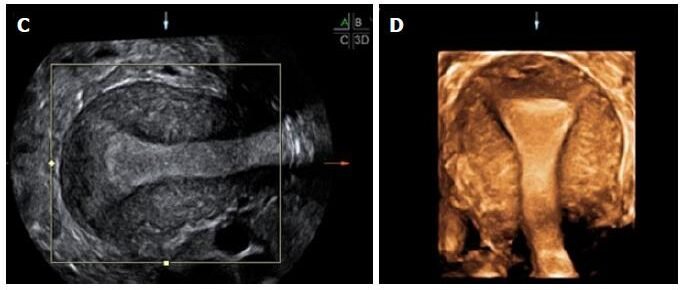
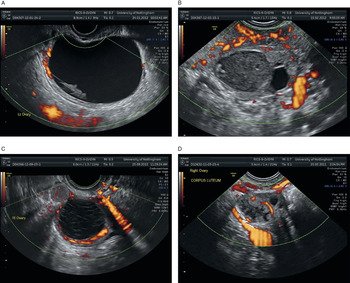
Ultrasound (USG), particularly transvaginal sonography (TVS), is a primary, non-invasive tool in fertility assessment, used to evaluate uterine structure, ovarian reserve, and monitor follicle development. It identifies causes of infertility like fibroids, cysts, or tubal issues and guides procedures such as egg retrieval and IVF.
Key Roles of Ultrasound in Fertility Treatment:
Baseline Assessment: Evaluates pelvic anatomy (uterus and ovaries), checks for uterine malformations, fibroids, and ovarian cysts.
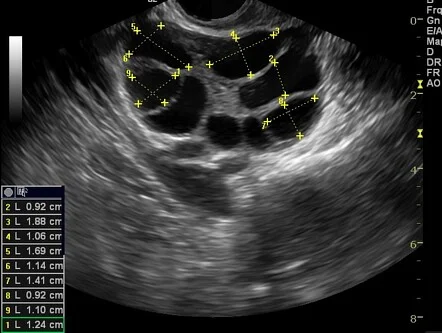
Ovarian Reserve Testing: An antral follicle count (AFC) is performed early in the cycle to measure the number of resting follicles and predict response to stimulation.
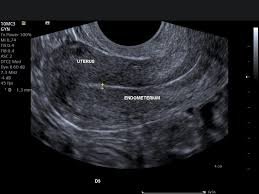
Follicular Monitoring: Tracks the growth of egg-containing follicles and measures endometrial thickness (uterine lining) to determine the best time for ovulation, IUI, or egg retrieval.
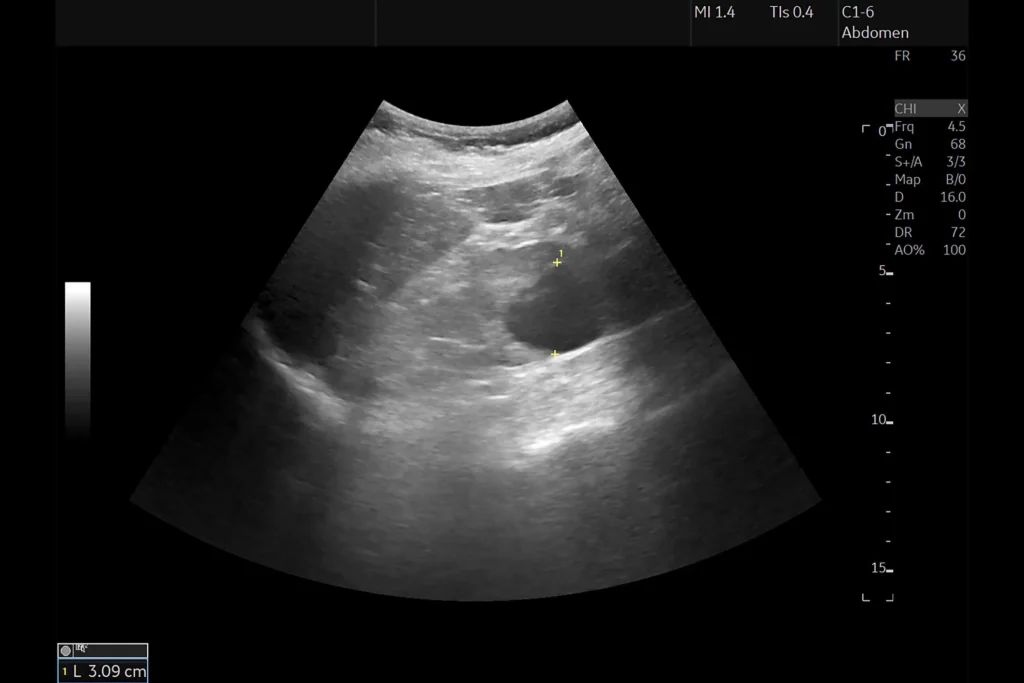
A diagnostic technique that uses high-frequency sound waves to create images of internal body parts.
2D Ultrasonography
A basic ultrasound that produces flat, black-and-white images of organs or fetus.
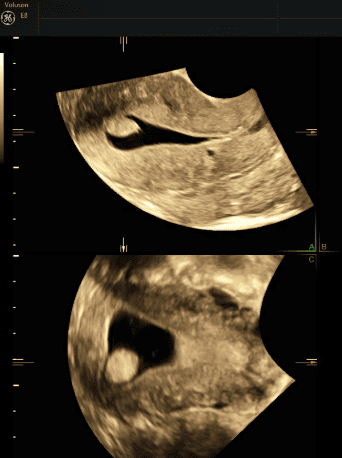
3D Ultrasonography
An advanced ultrasound that creates three-dimensional images for better detail and structure.
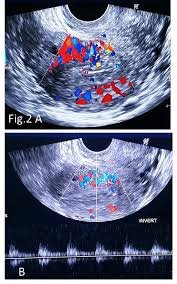
Doppler Ultrasonography
A type of ultrasound used to measure blood flow and its speed in vessels.
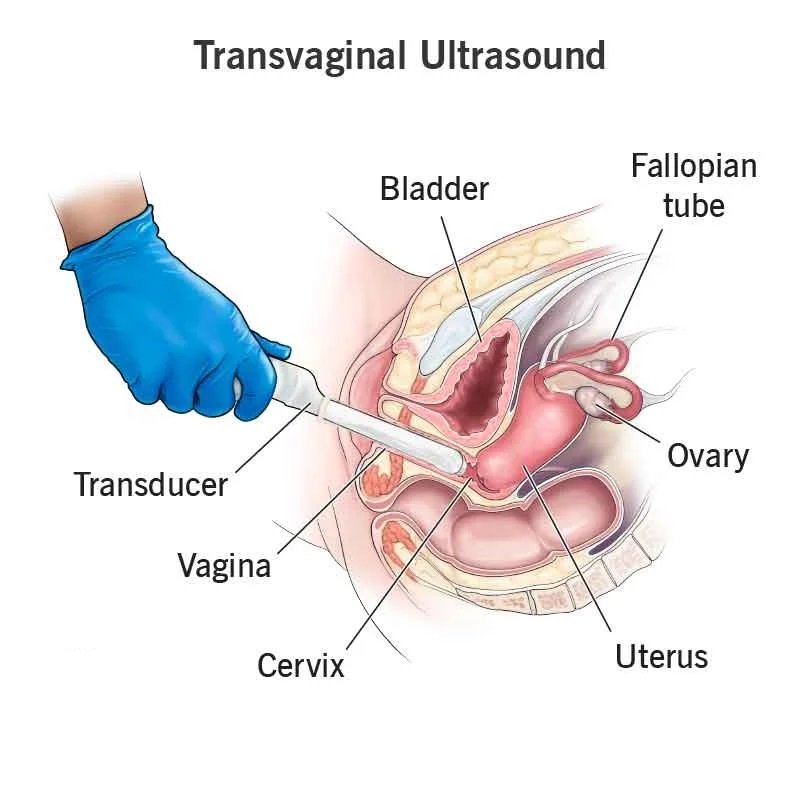
TVS (Transvaginal Sonography)
An ultrasound where a probe is inserted into the vagina to get clear images of pelvic organs.
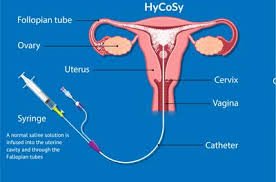
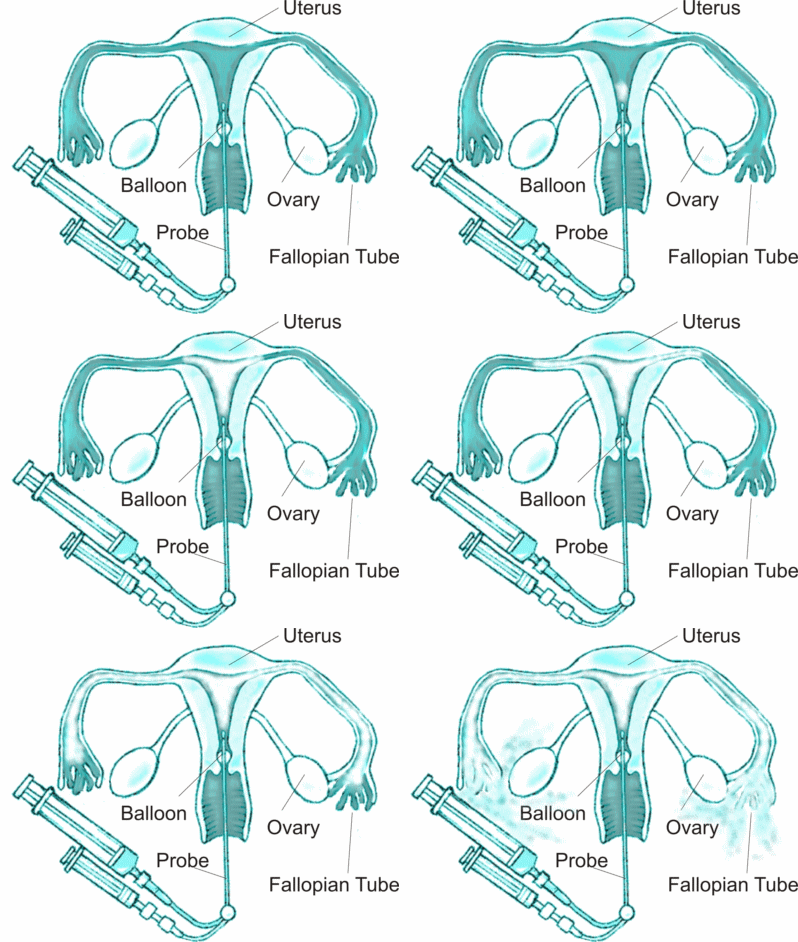
HyCoSy (Hysterosalpingo-Contrast Sonography)
An ultrasound technique using contrast fluid to check if fallopian tubes are open.
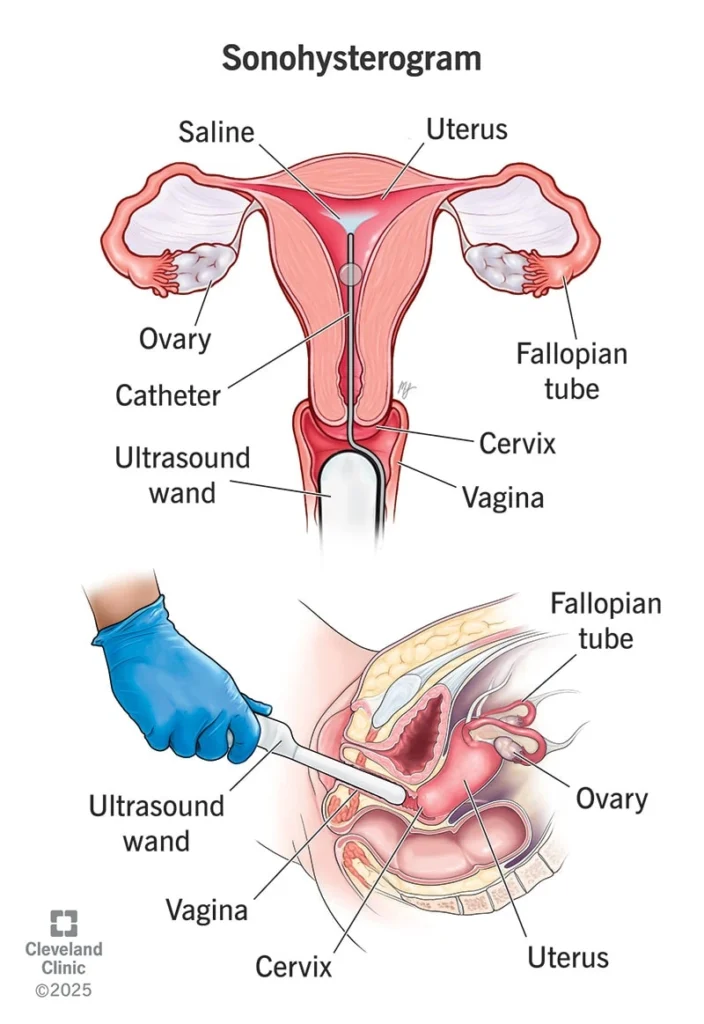
SIS (Saline Infusion Sonography)
An ultrasound in which saline is injected into the uterus to examine its inner lining clearly.
Freya Fertility
EXPERT CARE YOU CAN TRUST
0+
Helping couples identify the root cause of infertility through advanced ultrasound techniques like TVS, Doppler, and HyCoSy for detailed assessment and accurate diagnosis.
0+
Each couple receives a personalized diagnostic approach, using specialized scans such as SIS and 3D ultrasound to understand their unique fertility needs and guide effective treatment plans.
At Freya Fertility, we combine cutting-edge ultrasonography techniques with expert clinical insight to deliver accurate and comprehensive fertility assessments. From initial screening to detailed imaging, every step is designed to uncover the root cause and guide the right treatment path.
Reproductive Health Screening96%
Hormonal & Cycle Monitoring93%
Male Fertility Assessment91%
Ultrasound-Based Diagnostics95%
Customized Fertility Planning98%
FAQs
What types of ultrasound services do you provide?
We offer advanced ultrasonography including 2D, 3D, Doppler, TVS, HyCoSy, and SIS, ensuring complete evaluation of reproductive health and accurate diagnosis.
Is ultrasonography safe during fertility treatment?
Yes, ultrasonography is completely safe, non-invasive, and radiation-free, making it ideal for regular monitoring during fertility treatment.
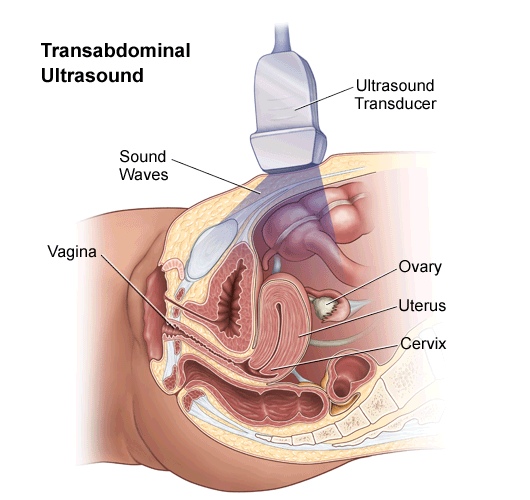
What is the difference between TVS and abdominal ultrasound?
TVS (Transvaginal Sonography) provides more detailed and clearer images of the uterus and ovaries compared to abdominal ultrasound, especially in early diagnosis.
Why are HyCoSy and SIS tests recommended?
These tests help in identifying fallopian tube blockages and uterine abnormalities, which are common causes of infertility, allowing better treatment planning.
Do I need any preparation before an ultrasound scan?
Preparation depends on the type of scan. Some may require a full bladder, while others like TVS may not. Our team will guide you before the procedure.