
Male Infertility (SSR – PESA/TESA/TESE)
WHAT IS MALE INFERTILITY
Male Infertility refers to the inability of a male partner to contribute to conception due to problems related to sperm production, function, or delivery. It is a common factor in nearly half of infertility cases and can be effectively diagnosed and treated with the right medical approach.
At Freya Fertility, we focus on identifying the exact cause of male infertility and providing personalized treatment options to improve the chances of successful conception.
CAUSES OF MALE INFERTILITY
Sperm Production
(Chromosomal/genetic cause, undescended testes, varicocele, chemical & medical, radiation damage, unknown cause)
Sperm Count/Motility/Morphology Problems
Blockage of Sperm Transport
(Infection, Prostate related problems, Absence/Blockage of vas deference)
Sexual Problems
(Erection and ejaculation problems)
Hormonal Problems
(Pituitary tumors, congential lack of LH/FSH)
Sperm Antibodies
(Vasectomy, injury/infection in epididymis, unknown cause)
TYPES OF MALE INFERTILITY
Male infertility is broadly classified into the following types:
1. Obstructive Azoospermia
Normal sperm production but blockage prevents sperm from reaching semen.
Non-Obstructive Azoospermia
Poor or no sperm production due to testicular or hormonal issues.
Oligospermia
Low sperm count affecting chances of fertilization.
Asthenozoospermia
Reduced sperm motility.
Teratozoospermia
Abnormal sperm shape affecting fertilization.
Unexplained Male Infertility
Normal reports but difficulty in achieving pregnancy.
Freya Fertility
Our Success Highlights
Successful sperm retrieval rates with SSR techniques
Fertilization success using ICSI with retrieved sperm
MALE INFERTILITY TREATMENTS
Treatment depends on the underlying cause and severity of the condition. At Freya Fertility, we offer a range of advanced and personalized treatment options:
Lifestyle Modifications
Improving diet, reducing stress, avoiding smoking/alcohol, and maintaining a healthy weight can significantly improve sperm quality.
Medications & Hormonal Therapy
Used to correct hormonal imbalances or treat infections that affect sperm production.
Varicocele Treatment (Surgery)
Surgical correction of enlarged veins in the scrotum to improve sperm quality and count.
Sperm Retrieval Techniques (SSR):
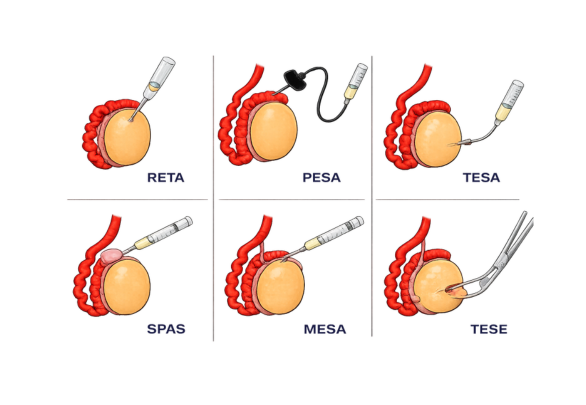
Procedures like PESA, TESA, and TESE are used to retrieve sperm directly from the male reproductive organs in cases of azoospermia (absence of sperm in semen).
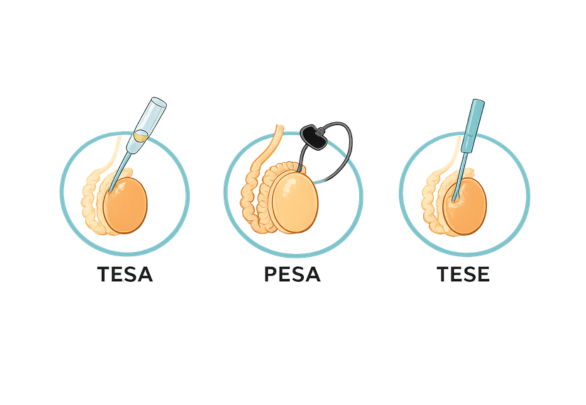
PESA (Percutaneous Epididymal Sperm Aspiration):
A minimally invasive procedure where sperm is aspirated from the epididymis using a fine needle. It is commonly used in cases of obstructive azoospermia.
TESA (Testicular Sperm Aspiration):
A needle is used to extract sperm directly from the testicular tissue. It is helpful when sperm is not found in the epididymis.
TESE (Testicular Sperm Extraction):
A minor surgical procedure where a small piece of testicular tissue is taken to retrieve sperm. It is usually performed in more complex cases, including non-obstructive azoospermia.
Intrauterine Insemination (IUI)
Healthy sperm are directly placed into the uterus to improve chances of fertilization.
In Vitro Fertilization (IVF)
Eggs and sperm are fertilized in a lab, and the embryo is transferred into the uterus.
Intracytoplasmic Sperm Injection (ICSI)
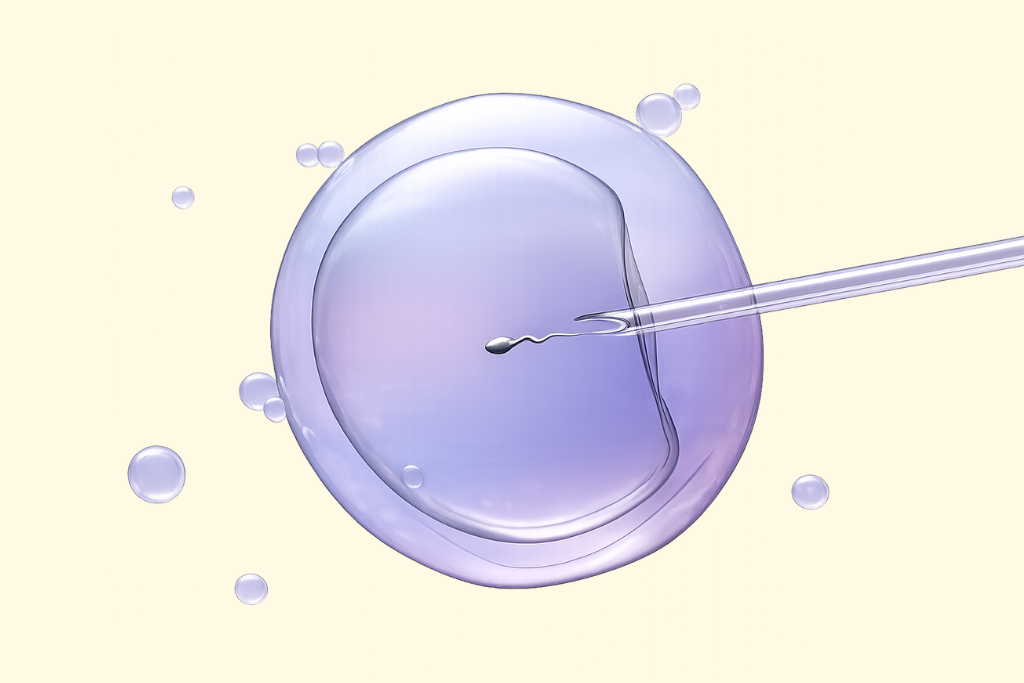
A single healthy sperm is injected directly into the egg, especially useful in severe male infertility.
Donor Sperm Option
In cases where sperm is not available or viable, donor sperm may be considered.
FAQs
What is male infertility?
It refers to the inability of a male partner to contribute to conception due to sperm-related issues.
What is azoospermia?
A condition where no sperm is present in the semen.
Are SSR procedures painful?
These are minimally invasive procedures usually performed under anesthesia, causing minimal discomfort.
Can sperm retrieved through SSR lead to pregnancy?
Yes, when combined with ICSI, it can result in successful fertilization and pregnancy.
Which method is best: PESA, TESA, or TESE?
The choice depends on the underlying condition and is decided by the fertility specialist.